

60 products
-
B stock / Sad Plant (we choose)
 AFTER-SALES SERVICEVendor:Harmony PlantsB stock / Sad Plant (we choose)
- Regular price
-
€10,00 - Regular price
-
€10,01 - Sale price
-
€10,00
-
Mystery Plant Box
 Vendor:Harmony PlantsMystery Plant Box
- Regular price
-
From
€10,00 - Regular price
-
€10,01 - Sale price
-
From
€10,00
-
Alocasia Jacklyn
 AFTER-SALES SERVICEVendor:Harmony PlantsAlocasia Jacklyn
- Regular price
-
From
€9,99 - Regular price
-
€14,99 - Sale price
-
From
€9,99
-
Monstera Deliciosa Electrolytes
 AFTER-SALES SERVICEVendor:Harmony PlantsMonstera Deliciosa Electrolytes
- Regular price
-
€45,00 - Regular price
-
€65,00 - Sale price
-
€45,00
-
Alocasia Heart Balloon Variegata
 After-salesVendor:Harmony PlantsAlocasia Heart Balloon Variegata
- Regular price
-
€35,00 - Regular price
-
€149,99 - Sale price
-
€35,00
-
Alocasia Jacklyn Variegata
 AFTER-SALES SERVICEVendor:Harmony PlantsAlocasia Jacklyn Variegata
- Regular price
-
€49,00 - Regular price
-
€119,00 - Sale price
-
€49,00
-
Alocasia Watsoniana Lightning
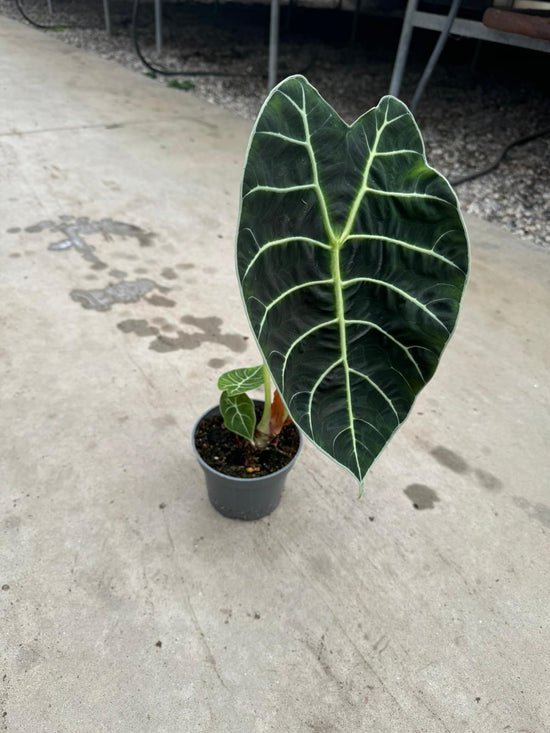 AFTER-SALES SERVICEVendor:Harmony PlantsAlocasia Watsoniana Lightning
- Regular price
-
€20,00 - Regular price
-
€39,00 - Sale price
-
€20,00
-
Alocasia Pink Dragon Nairobi Nights Variegated
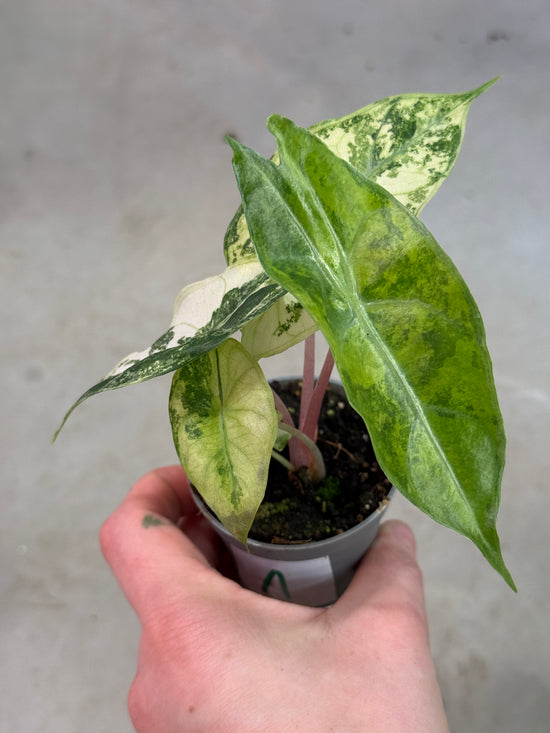 After-salesVendor:Harmony PlantsAlocasia Pink Dragon Nairobi Nights Variegated
- Regular price
-
€40,00 - Regular price
-
€0,00 - Sale price
-
€40,00
-
Alocasia Zebrina Mint Variegata
 AFTER-SALES SERVICEVendor:Harmony PlantsAlocasia Zebrina Mint Variegata
- Regular price
-
€29,99 - Regular price
-
€49,99 - Sale price
-
€29,99
-
Alocasia Maharani Variegata
 AFTER-SALES SERVICEVendor:Harmony PlantsAlocasia Maharani Variegata
- Regular price
-
€69,00 - Regular price
-
€109,00 - Sale price
-
€69,00
-
Alocasia Dragon Scale Mint
 AFTER-SALES SERVICEVendor:Harmony PlantsAlocasia Dragon Scale Mint
- Regular price
-
€2,00 €8,99 - Regular price
-
€5,00 - Sale price
-
€2,00 €8,99
-
Alocasia Frydek Variegata
 AFTER-SALES SERVICEVendor:Harmony PlantsAlocasia Frydek Variegata
- Regular price
-
€9,99 €19,99 - Regular price
-
€14,99 - Sale price
-
€9,99 €19,99
-
Alocasia Black Velvet Pink Variegated
 AFTER-SALES SERVICEVendor:Harmony PlantsAlocasia Black Velvet Pink Variegated
- Regular price
-
€14,99 €49,00 - Regular price
-
- Sale price
-
€14,99 €49,00
-
Alocasia Gageana Albo Variegata
 AFTER-SALES SERVICEVendor:Harmony PlantsAlocasia Gageana Albo Variegata
- Regular price
-
€2,00 €4,99 - Regular price
-
- Sale price
-
€2,00 €4,99
-
Alocasia Dragon Scale Variegated
 Vendor:Harmony PlantsAlocasia Dragon Scale Variegated
- Regular price
-
€29,99 - Regular price
-
- Sale price
-
€29,99
-
Alocasia Macrorrhiza Splash
 Vendor:Harmony PlantsAlocasia Macrorrhiza Splash
- Regular price
-
€10,00 - Regular price
-
€19,00 - Sale price
-
€10,00
-
Alocasia Silver Dragon Variegata
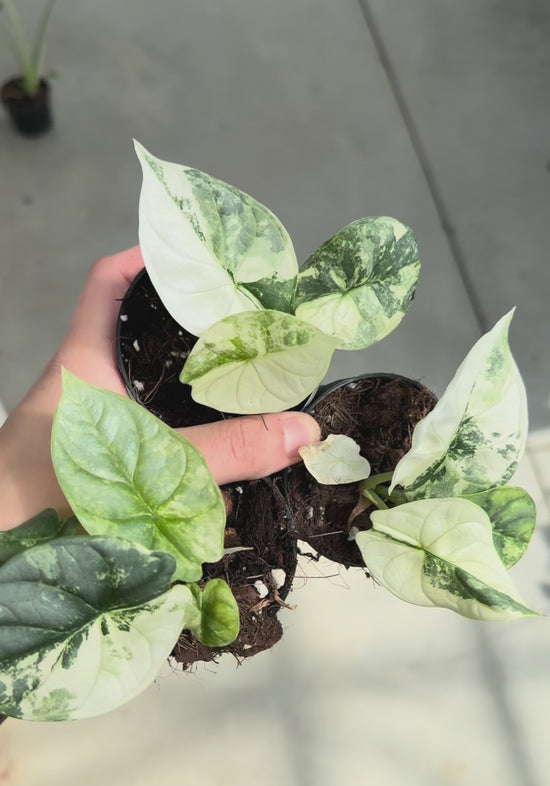 AFTER-SALES SERVICEVendor:Harmony PlantsAlocasia Silver Dragon Variegata
- Regular price
-
€17,99 - Regular price
-
€55,00 - Sale price
-
€17,99
-
Alocasia Polly Variegata
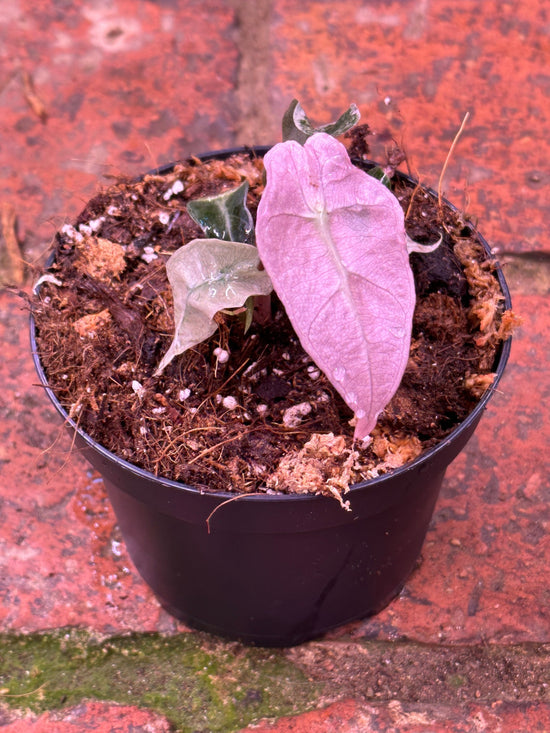 Vendor:Harmony PlantsAlocasia Polly Variegata
- Regular price
-
€24,99 - Regular price
-
€49,99 - Sale price
-
€24,99
-
Alocasia Lauterbachiana Variegata
 AFTER-SALES SERVICEVendor:Harmony PlantsAlocasia Lauterbachiana Variegata
- Regular price
-
€6,99 - Regular price
-
€15,00 - Sale price
-
€6,99
-
Alocasia Melo Variegata
 AFTER-SALES SERVICEVendor:Harmony PlantsAlocasia Melo Variegata
- Regular price
-
€29,00 €45,00 - Regular price
-
€49,00 - Sale price
-
€29,00 €45,00
-
Alocasia Ninja Variegated
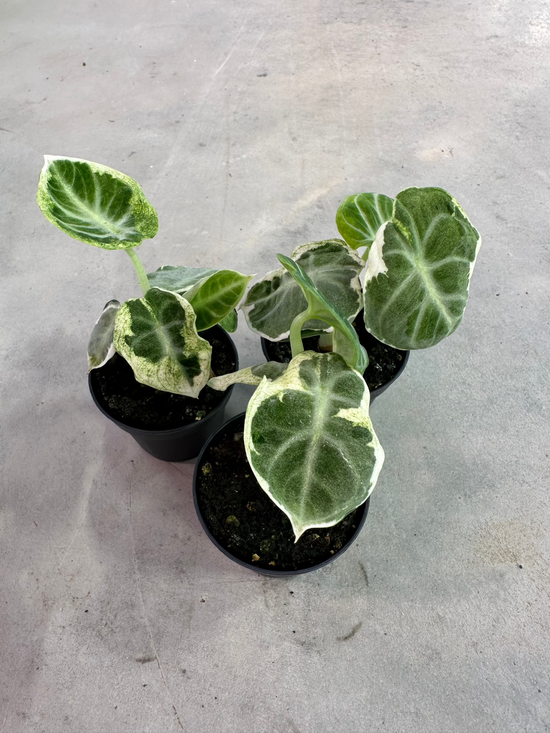 Vendor:Harmony PlantsAlocasia Ninja Variegated
- Regular price
-
€24,99 - Regular price
-
- Sale price
-
€24,99
-
Alocasia Melo
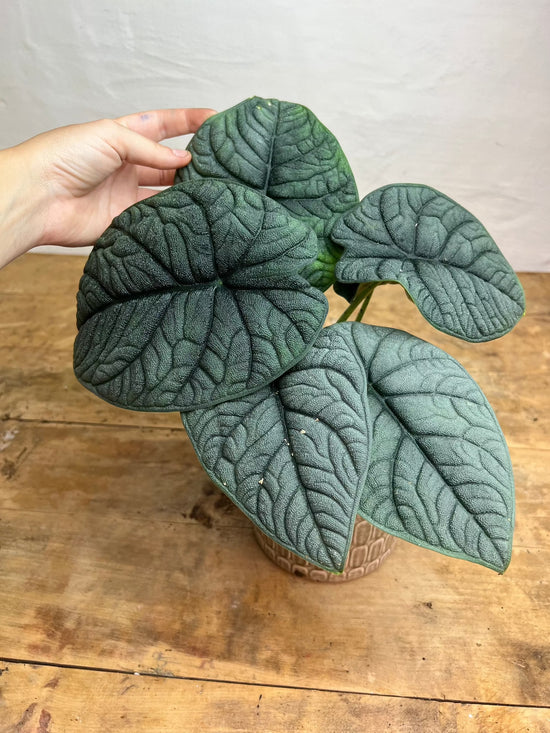 Vendor:Harmony PlantsAlocasia Melo
- Regular price
-
€9,99 €24,99 - Regular price
-
€39,00 - Sale price
-
€9,99 €24,99
-
Alocasia Yucatan Princess Variegated
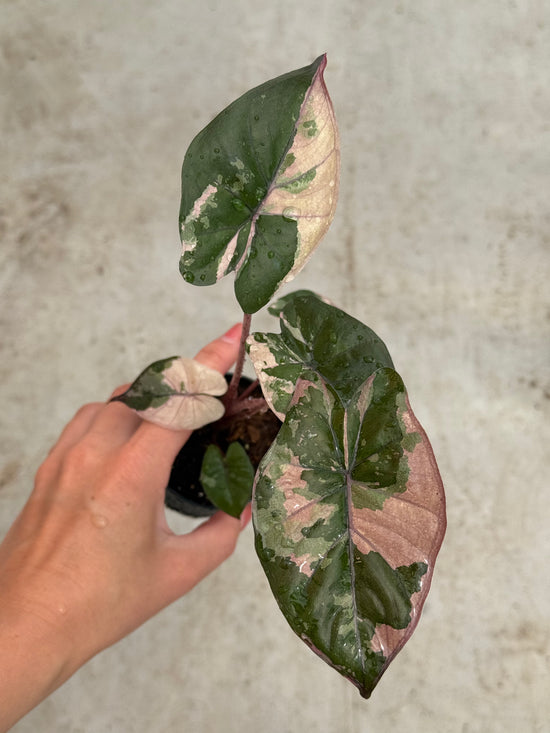 Vendor:Harmony PlantsAlocasia Yucatan Princess Variegated
- Regular price
-
€45,00 - Regular price
-
€179,00 - Sale price
-
€45,00
-
Alocasia Macrorrhiza Variegata
 Vendor:Harmony PlantsAlocasia Macrorrhiza Variegata
- Regular price
-
€17,99 - Regular price
-
- Sale price
-
€17,99
-
Alocasia Antoro Velvet
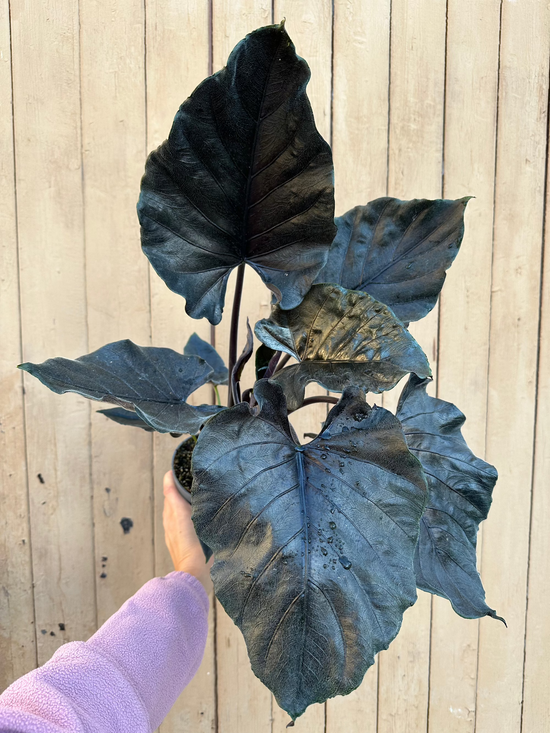 After-salesVendor:Harmony PlantsAlocasia Antoro Velvet
- Regular price
-
€9,99 €19,99 - Regular price
-
€39,00 - Sale price
-
€9,99 €19,99
-
Alocasia Bambino Variegata
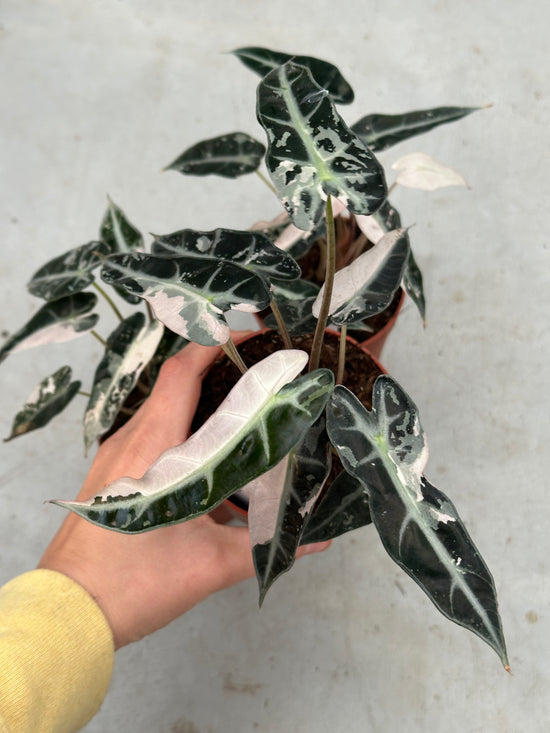 After-salesVendor:Harmony PlantsAlocasia Bambino Variegata
- Regular price
-
€29,00 - Regular price
-
€89,00 - Sale price
-
€29,00
-
Alocasia Black Velvet Gold Variegata
 Vendor:Harmony PlantsAlocasia Black Velvet Gold Variegata
- Regular price
-
€39,00 - Regular price
-
- Sale price
-
€39,00
-
Alocasia Nobilis Pink Variegata
 AFTER-SALES SERVICEVendor:Harmony PlantsAlocasia Nobilis Pink Variegata
- Regular price
-
€20,00 €45,00 - Regular price
-
€29,00 - Sale price
-
€20,00 €45,00
-
Alocasia Purple Veins
 AFTER-SALES SERVICEVendor:Harmony PlantsAlocasia Purple Veins
- Regular price
-
€19,99 - Regular price
-
€29,99 - Sale price
-
€19,99
-
Alocasia Dragon Scale Variegata "LARGE"
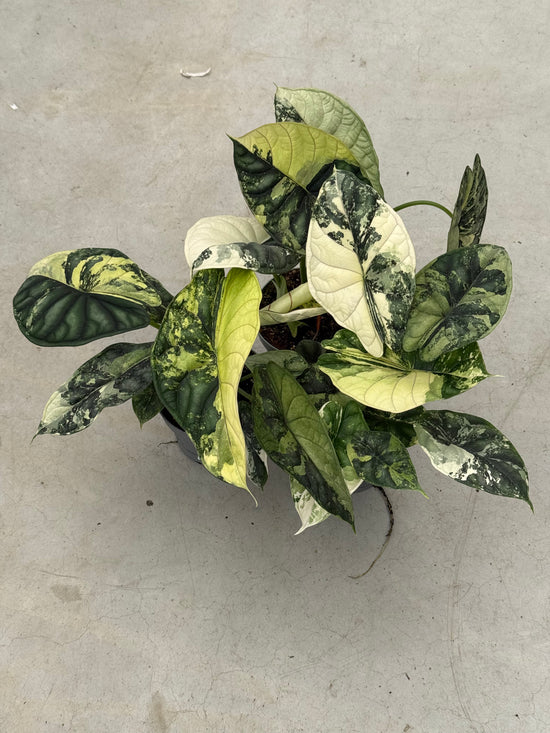 AFTER-SALESVendor:Harmony PlantsAlocasia Dragon Scale Variegata "LARGE"
- Regular price
-
€45,00 - Regular price
-
€149,00 - Sale price
-
€45,00


Alocasia: The jewels of the jungle
Dive into our extensive collection of Alocasia plants. With their distinctive leaves and exotic flair, alocasias are an impressive addition to any living space. Browse our range to find the Alocasia that perfectly suits your style and home. Enjoy the variety and choose the ideal Alocasia to bring green accents and tropical elegance into your living spaces. Welcome to the fascinating world of Alocasia plants!
Alocasia, also known as elephant ear plants, is a true treasure among houseplants. Originally native to the humid forests of Southeast Asia, they have found their way into our homes and are enjoying growing popularity. The characteristic feature of Alocasia is undoubtedly its striking leaves. These are large, heart-shaped and often a deep, rich green color that shines in contrast to the surrounding area. But it's not just the shape that impresses - the leaves are often streaked with vibrant patterns in various shades of green. Some varieties even display silver or white markings that resemble works of art.
What makes Alocasias even more remarkable are their bold stems. These can be shiny and sleek or have a deep crimson color that makes for a stunning contrast. Combined with the majestic leaves, the stems give the plant an almost royal elegance. However, alocasias are not only fascinating because of their appearance. They are also comparatively easy to care for and can thrive in a variety of environments. They prefer bright, indirect lighting conditions for optimal growth, but they are also quite adaptable to less bright rooms. Regular watering is crucial, although it is important that the soil does not dry out too much.
As far as humidity is concerned, alocasias like it high. This makes them ideal plants for bathrooms or kitchens where humidity is naturally higher. Alternatively, you can approach them with regular misting or increased humidity through the use of humidifiers or bowls of water. Not only are alocasias breathtakingly beautiful, but they also help purify the air indoors. They filter harmful substances from the air and thus improve indoor air quality. In addition, they give every room a piece of tropical paradise.
The striking arrow-shaped leaves
The characteristic feature of the Alocasia plant is undoubtedly its striking leaves. They are large, often arrow-shaped, and distinguished by strong contrasts. The prominent leaf veins appear almost drawn, making each plant a true eye-catcher. It's no wonder the Alocasia is also known as the Arrowhead Plant or Elephant Ear.
Some Arrowhead varieties can reach a leaf length of up to one meter. But it's not just their size that impresses: many leaves are adorned with vibrant patterns in various shades of green. Some varieties even display silver, white, or slightly pink markings that look almost like small works of art.
The striking stems
Alocasias not only have impressive leaves but also bold stems. Depending on the species, the stems differ in both their shape and color. They can be slender and rather delicate or more robust and stable. In terms of color, they range from classic green to deep purple. Some varieties, such as the Alocasia Zebrina, also have strikingly patterned stems with zebra-like stripes, which further emphasize their exotic character.
Alocasia species
There is a wide variety of Alocasia species, differing in their appearance, growth habit, and structure. If you're looking to buy an Alocasia, you'll find both classic Alocasias and rare species with unusual patterns or special color nuances in our online shop. This ensures there's an Alocasia to suit every interior style and taste. For example:
- Classic Alocasias: Alocasia Polly, Alocasia Macrorrhiza
- Dark, almost black Alocasias: Alocasia Antoro Velvet, Alocasia Ninja
- Variegated Alocasias: Alocasia Frydek Variegata, Alocasia Amazonica Variegata
- Yellowish-golden Alocasias: Alocasia Polly Aurea, Alocasia Macrorrhiza Aurea
- Pink Alocasias: Alocasia Black Velvet Pink Variegata
- Highly structured Alocasias: Alocasia Dragon Scale, Alocasia Silver Dragon, Alocasia Maharani
Humid conditions for your Alocasia
Alocasias are relatively easy to care for and can thrive in various environments. For optimal growth, Alocasias prefer bright, indirect light conditions, but they are also quite adaptable in less bright rooms. Humidity is particularly important, both in the air and in the soil.
60 to 80% humidity
Since the Alocasia loves high humidity due to its origin, it is ideally suited for humid rooms such as the bathroom or kitchen, where there is already higher humidity. However, the Alocasia also comes into its own in other rooms such as the living room or bedroom. There, however, you should pay particular attention to offering it optimal conditions, for example through additional humidity, such as regular spraying or the use of a humidifier. Especially in the winter months, when the humidity in indoor spaces often drops due to dry heating air, it is helpful to regularly spray the leaves of the Alocasia. Alternatively, bowls of water can also be placed near the plant.
Water thoroughly 1 to 2 times per week
Of course, Alocasias also need to be watered regularly. It is important that the soil does not dry out too much. Water your Alocasia when the top layer of soil (about 2-3 cm deep) feels dry. Avoid drowning the plant in water, as Alocasias are sensitive to waterlogging. Therefore, it is best to ensure that your Alocasia's pot has a drainage hole to drain excess water. Do not leave water in the saucer after watering, as this can lead to root rot. In general, Alocasias need water more frequently during the growing season (spring and summer) than in winter. During winter, when growth is slowed, watering should be more sparing. Then, watering once every 1 to 2 weeks is often sufficient.
Now and then, you can add some fertilizer when watering your Alocasia to provide it with nutrients and maintain its beauty. The frequency of watering and fertilizing your Alocasia depends on various factors, including the size of the plant, the pot, room temperature, and humidity. During the growing season (spring and summer), it is advisable to fertilize your Alocasia approximately every 4-6 weeks with a balanced, liquid houseplant fertilizer. Use a halved dose compared to the amount recommended on the package to avoid over-fertilization. In winter, when growth is slowed, reduce fertilization to once every 6-8 weeks or omit it entirely.
Remember that the exact frequency of watering and fertilizing can vary depending on the conditions in your home, so observe your Alocasia carefully and adjust care accordingly. With these additional care tips, your Alocasia will thrive beautifully and bring you long-lasting joy.
Alocasia Problems and Solutions
Like any plant, Alocasia can occasionally experience problems caused by incorrect care or unfavorable environmental conditions. Observe your plant regularly and look for possible signs that could indicate problems, for example:
- Brown leaves are often due to insufficient humidity or too much direct sunlight.
- Yellow leaves could be a sign of overwatering or nutrient deficiency.
To solve these problems, it is important to review and, if necessary, adjust the care conditions for your Alocasia. Make sure to examine the plant regularly to detect early signs of stress. By adjusting watering, increasing humidity, and ensuring a balanced nutrient supply, you can resolve many of these issues and keep your Alocasia healthy and beautiful.
Susceptibility to pests
Although Alocasias are robust houseplants, they can become susceptible to pests under unfavorable conditions. Spider mites and thrips are particularly common, especially in dry air or when the plant is weakened. Typical signs are fine webs or light spots on the leaves. High humidity is important to prevent infestation. At the first signs, regular showering, natural remedies such as neem oil, or special plant protection products can help.
Leaf loss in Alocasia
The arrowleaf is not a bushy plant, but loses about as many leaves as it grows, as the Alocasia is energy-intensive. A certain amount of leaf loss is therefore quite normal in Alocasias – especially when moving to a new location or during the cooler seasons. Excessive leaf loss can also be caused by insufficient light, drafts, cold temperatures, or waterlogging. Make sure the location is bright and warm and the soil is not permanently wet. If the plant loses many leaves at once, it's worth taking a closer look at its root health, watering habits, or possible pest infestation. With a little patience, the Alocasia will reliably sprout again under the right conditions.
Buy Alocasia and have it delivered to your home
Whether classic beauty or rare specimen – in our online shop, you'll find a wide variety of Alocasia plants. From popular classics to extraordinary variegated varieties with unique patterns, there's something for every taste. If you want to buy an Alocasia, you'll find your very own green beauty with us. Simply order your Alocasia online and have it delivered safely and conveniently to your home.
Further questions about Alocasias
Where can you put an Alocasia?
Alocasias thrive in a bright location with indirect light. Ideal spots are in the living room or bedroom near a window, but without direct sunlight. Since Alocasias love high humidity, they are also suitable for bathrooms or kitchens.
What types of Alocasia are there?
There are several species of Alocasia, including the impressive Alocasia amazonica with dark green leaves and white veins, the huge Alocasia macrorrhiza with heart-shaped leaves, the Alocasia zebrina with a striking zebra pattern, the fragrant Alocasia odora, the miniature Alocasia reginula with velvety, dark leaves , the copper-colored Alocasia cuprea and many others. Each species has its own unique characteristics and care requirements, but they are all characterized by their impressive leaves and exotic appearance.
How do I properly care for my Alocasia?
To take good care of your Alocasia plant, here are some important tips:
- Place it in a location with bright, indirect light, but avoid direct sunlight.
- Keep the room temperature between 18°C and 24°C and protect the plant from temperature fluctuations and drafts.
- Increase the humidity around the plant, especially in winter, by misting the leaves every now and then or using a humidifier
- Water the plant regularly, but allow the top layer of soil to dry slightly between waterings to avoid waterlogging.
- Use a well-drained potting soil mix and fertilize the plant during Growing season with a liquid houseplant fertilizer.
- Repot the Alocasia only when it becomes too large for its pot.
- Reduce watering and protect the plant from cold drafts in winter.
- Clean the leaves occasionally to remove dust and keep an eye out for pests and diseases.
Use these care tips to ensure your Alocasia stays healthy and beautiful.
How often do I need to water and fertilize my Alocasia?
The frequency of watering and fertilizing your Alocasia depends on several factors, including the size of the plant, the pot, the room temperature and the humidity. Here are some general guidelines:
Watering:
- Water your Alocasia when the top layer of soil (about 2-3 cm deep) feels dry. Avoid drowning the plant in water as alocasias are sensitive to waterlogging.
- In general, alocasias require water more frequently during the growing season (spring and summer) than in winter. During the winter, when growth slows, watering should be more sparing.
- Make sure the pot has a drainage hole to drain away excess water. Do not let the water sit in the saucer after watering as this can cause root rot.
Fertilizing:
- During During the growing season (spring and summer), it is advisable to fertilize your Alocasia approximately every 4-6 weeks with a balanced, liquid houseplant fertilizer. Use a halved dose of the amount recommended on the package to avoid over-fertilization.
- In winter, when growth is slowed, reduce fertilization to once every 6-8 weeks or skip it altogether.< /li>
Be sure to observe the plant regularly and look for signs that indicate a need for water, such as slightly wilting leaves. If the leaves look limp or the top layer of soil is dry, it's time to water. Fertilizing should only be done during the active growing season.
Keep in mind that the exact frequency of watering and fertilizing may vary depending on the conditions in your home, so monitor your Alocasia carefully and adjust care accordingly.
Are Alocasias toxic to cats and dogs?
Yes, alocasia is poisonous to cats, dogs and other pets. These plants contain substances such as oxalates that can cause irritation to the mouth, throat, and stomach if swallowed or chewed. This can cause symptoms such as drooling, vomiting, diarrhea, and in severe cases, difficulty breathing.
It is important to place alocasias out of the reach of pets or in an area that your animals cannot reach. If you suspect that your pet has eaten Alocasia leaves or parts of the plant and is showing symptoms such as vomiting or feeling unwell, you should consult a veterinarian immediately for appropriate treatment. Depending on the amount of plant parts ingested and the size of your pet, poisoning can be serious.
It is always advisable to educate yourself about plant toxicity and ensure that all plants present in your home are safe for your pet Pets are non-toxic to ensure their health and safety.