

47 products
-
Anthurium Delta Force (A. Clarinervium x Pedatoradiatum)
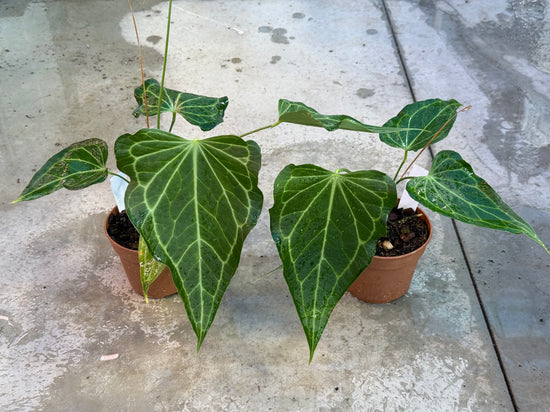 AftersaleVendor:Harmony PlantsAnthurium Delta Force (A. Clarinervium x Pedatoradiatum)
- Regular price
-
From
€4,99 - Regular price
-
€19,00 - Sale price
-
From
€4,99
-
B Ware / Sad Plant (We Choose)
 Vendor:Harmony PlantsB Ware / Sad Plant (We Choose)
- Regular price
-
€10,00 - Regular price
-
€10,01 - Sale price
-
€10,00
-
Anthurium Red Beauty ( B Ware)
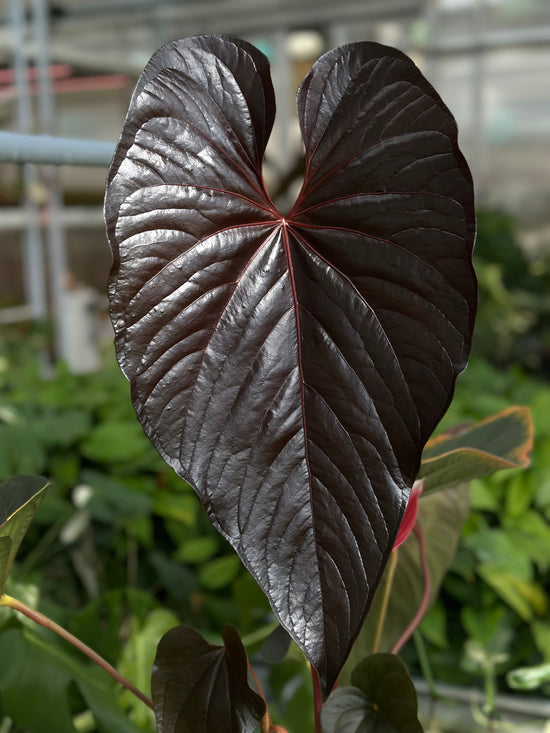 AftersaleVendor:Harmony PlantsAnthurium Red Beauty ( B Ware)
- Regular price
-
€8,00 - Regular price
-
€19,99 - Sale price
-
€8,00
-
Mystery Plant Box
 Vendor:Harmony PlantsMystery Plant Box
- Regular price
-
From
€10,00 - Regular price
-
€10,01 - Sale price
-
From
€10,00
-
Anthurium Warocqueanum "Dark Form" (No. 25)
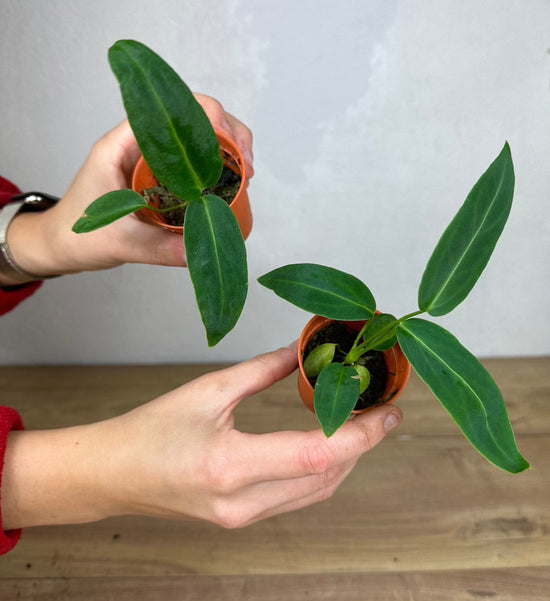 Vendor:Harmony PlantsAnthurium Warocqueanum "Dark Form" (No. 25)
- Regular price
-
€29,00 - Regular price
-
€49,00 - Sale price
-
€29,00
-
Anthurium Warocqueanum
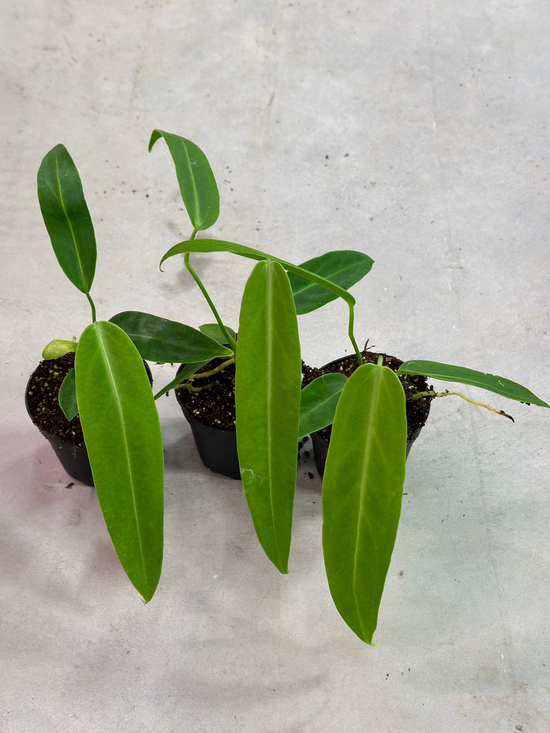 Vendor:Harmony PlantsAnthurium Warocqueanum
- Regular price
-
€24,99 - Regular price
-
€59,00 - Sale price
-
€24,99
-
Anthurium Luxurians
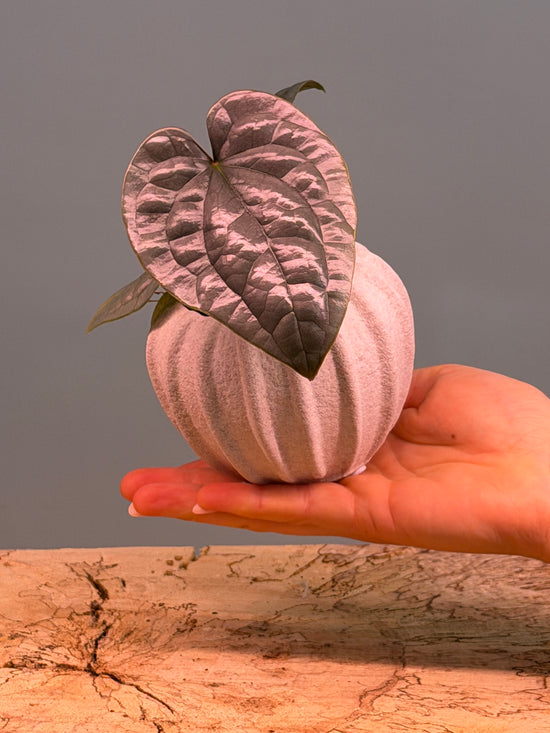 AftersaleVendor:Harmony PlantsAnthurium Luxurians
- Regular price
-
€18,00 €39,00 - Regular price
-
- Sale price
-
€18,00 €39,00
-
Anthurium Red Vein Dark Phoenix Variegata
 AftersaleVendor:Harmony PlantsAnthurium Red Vein Dark Phoenix Variegata
- Regular price
-
€59,00 - Regular price
-
€149,00 - Sale price
-
€59,00
-
Anthurium Queen Of Hearts
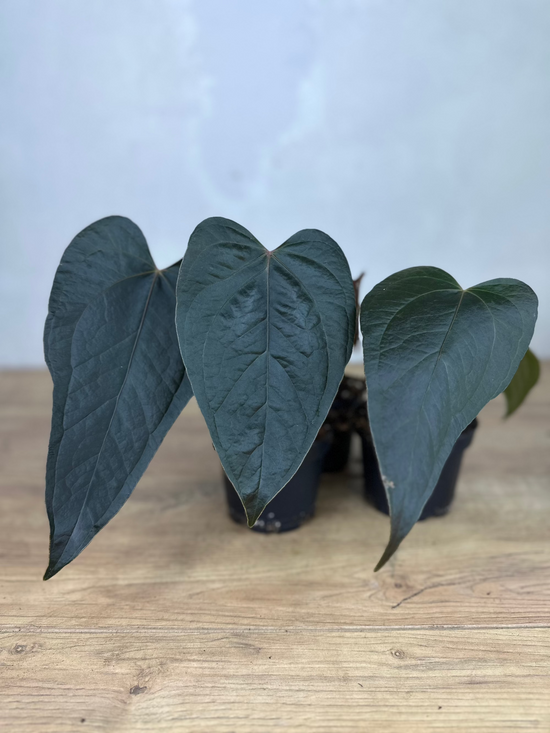 AftersaleVendor:Harmony PlantsAnthurium Queen Of Hearts
- Regular price
-
€20,00 - Regular price
-
€59,00 - Sale price
-
€20,00
-
Anthurium Vittarifolium
 AftersaleVendor:Harmony PlantsAnthurium Vittarifolium
- Regular price
-
€25,00 - Regular price
-
€39,00 - Sale price
-
€25,00
-
Anthurium Veitchii Narrow
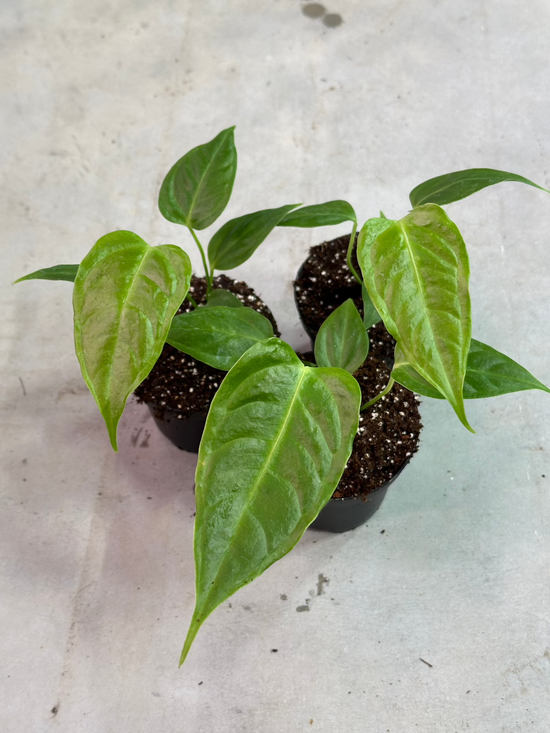 Vendor:Harmony PlantsAnthurium Veitchii Narrow
- Regular price
-
€5,99 €19,99 - Regular price
-
€19,99 - Sale price
-
€5,99 €19,99
-
Anthurium shelves
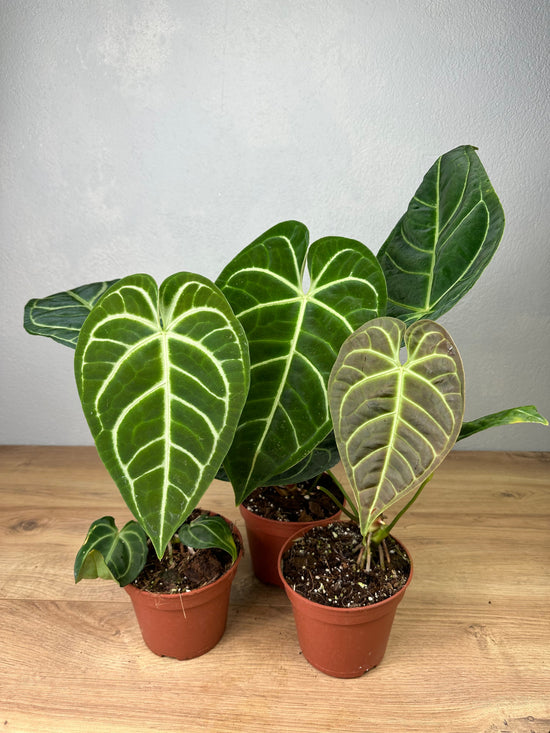 Vendor:Harmony PlantsAnthurium shelves
- Regular price
-
€5,99 €59,00 - Regular price
-
€19,99 - Sale price
-
€5,99 €59,00
-
Anthurium Clarinervium
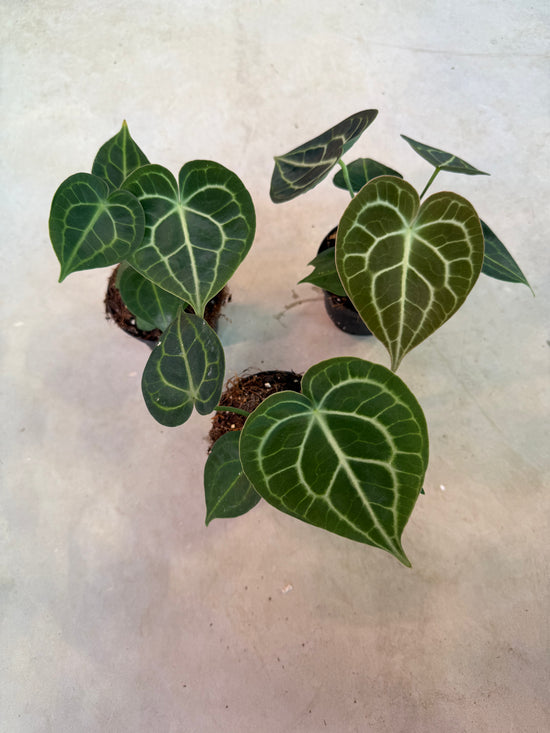 Vendor:Harmony PlantsAnthurium Clarinervium
- Regular price
-
€4,99 - Regular price
-
€9,99 - Sale price
-
€4,99
-
Anthurium Carlablackiae
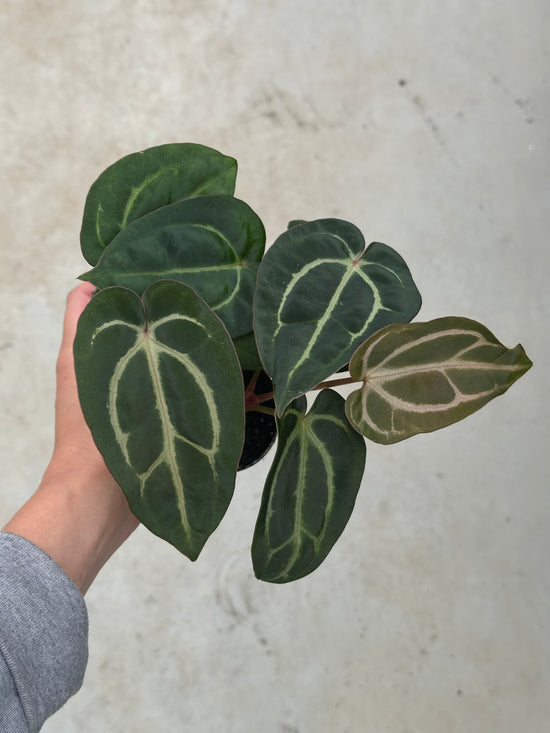 AftersaleVendor:Harmony PlantsAnthurium Carlablackiae
- Regular price
-
€29,99 - Regular price
-
€49,00 - Sale price
-
€29,99
-
Anthurium "Snow Queen"
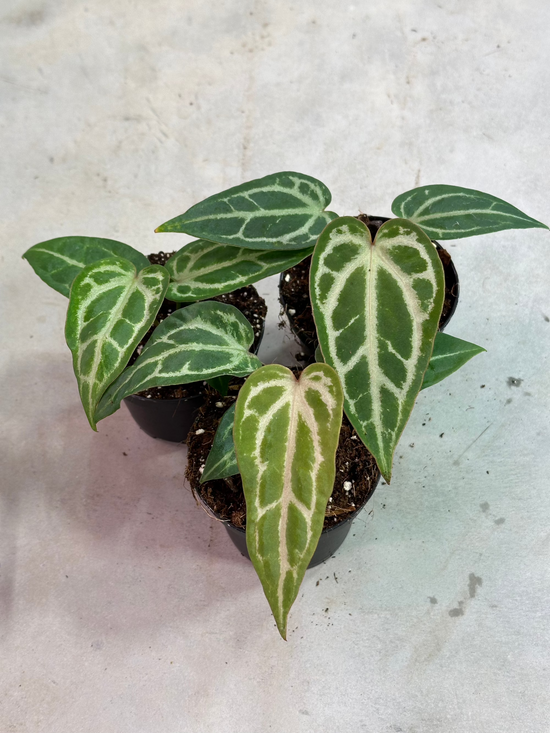 Vendor:Harmony PlantsAnthurium "Snow Queen"
- Regular price
-
€7,99 - Regular price
-
€19,99 - Sale price
-
€7,99
-
Anthurium Crystallinum
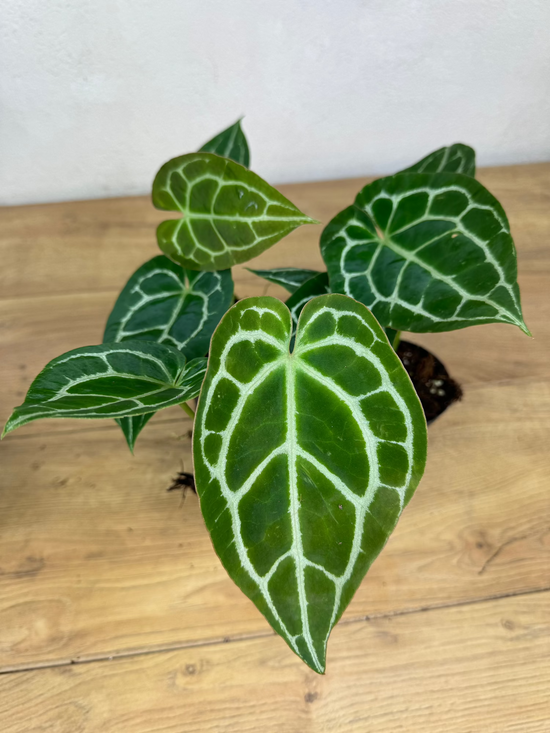 Vendor:Harmony PlantsAnthurium Crystallinum
- Regular price
-
€6,99 €24,99 - Regular price
-
€11,99 - Sale price
-
€6,99 €24,99
-
Anthurium King of Spades x
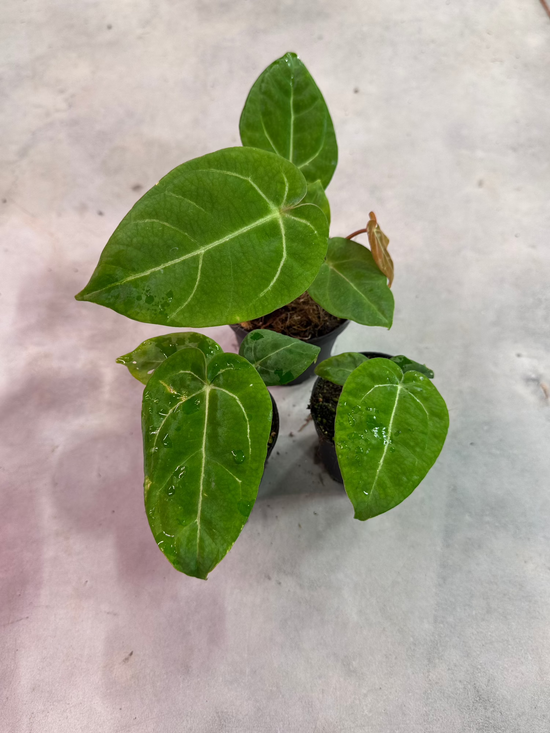 Vendor:Harmony PlantsAnthurium King of Spades x
- Regular price
-
€16,99 - Regular price
-
- Sale price
-
€16,99
-
Anthurium King of Spades HU
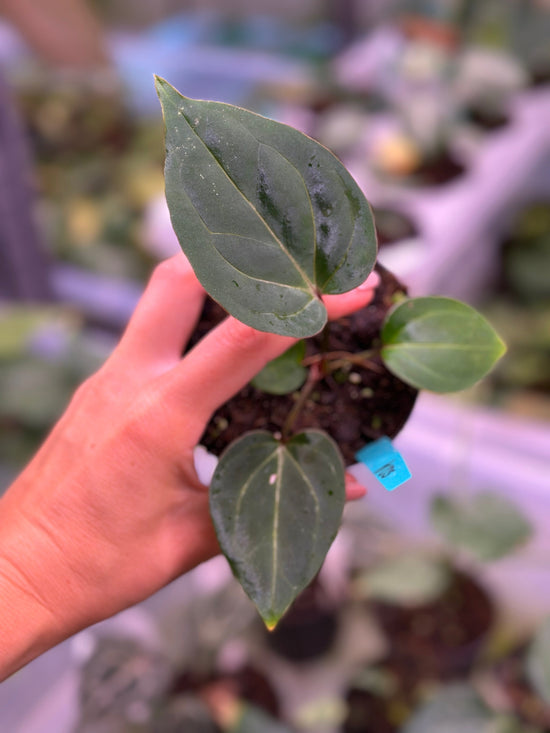 Vendor:Harmony PlantsAnthurium King of Spades HU
- Regular price
-
€109,00 - Regular price
-
€149,00 - Sale price
-
€109,00
-
Anthurium Hot Chocolate AOS
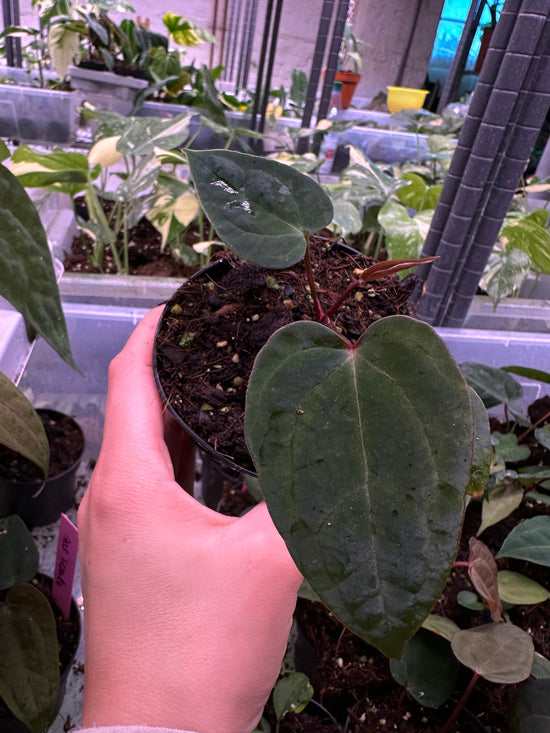 Vendor:Harmony PlantsAnthurium Hot Chocolate AOS
- Regular price
-
€69,00 - Regular price
-
€119,00 - Sale price
-
€69,00
-
Anthurium Clarinervium x Pedatoradiatum (Plug)
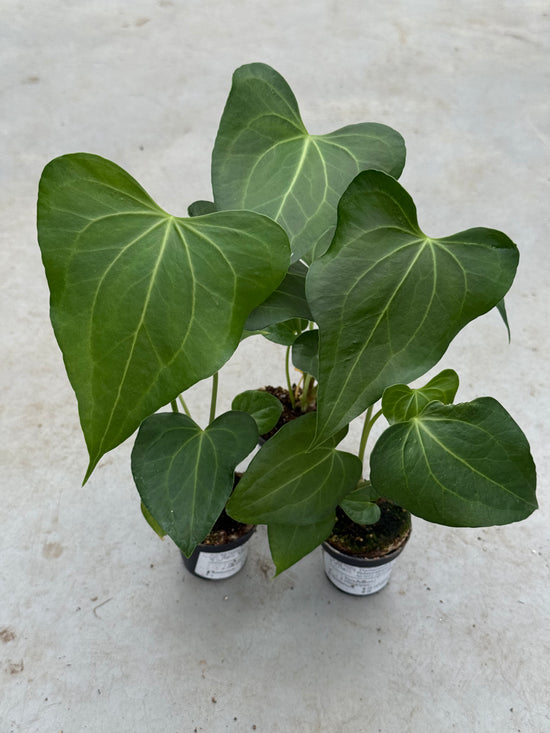 Vendor:Harmony PlantsAnthurium Clarinervium x Pedatoradiatum (Plug)
- Regular price
-
€7,00 - Regular price
-
€9,99 - Sale price
-
€7,00
-
Anthurium Ace of Spades "Tezula" x Black Velvet Mr. Red
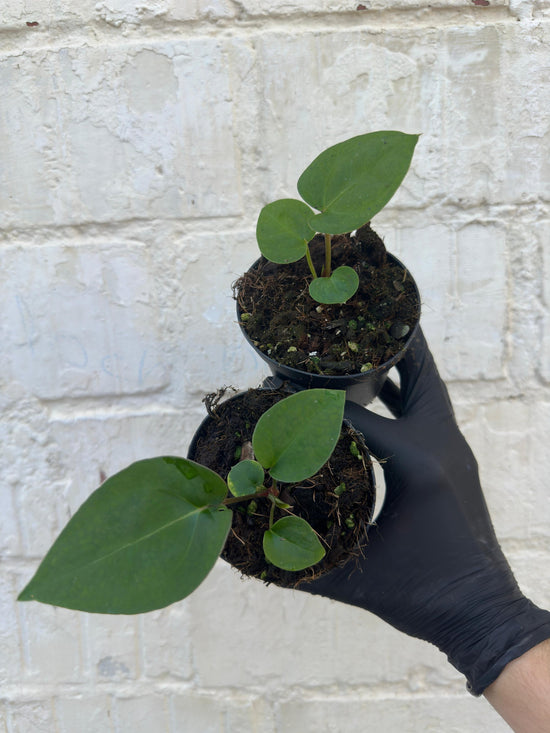 Vendor:Harmony PlantsAnthurium Ace of Spades "Tezula" x Black Velvet Mr. Red
- Regular price
-
€49,00 - Regular price
-
€59,00 - Sale price
-
€49,00
-
B Ware Plants / sad plants Part 3
 Vendor:Harmony PlantsB Ware Plants / sad plants Part 3
- Regular price
-
€39,00 - Regular price
-
- Sale price
-
€39,00
-
Anthurium Carlablackiae RA8 x Red Spider
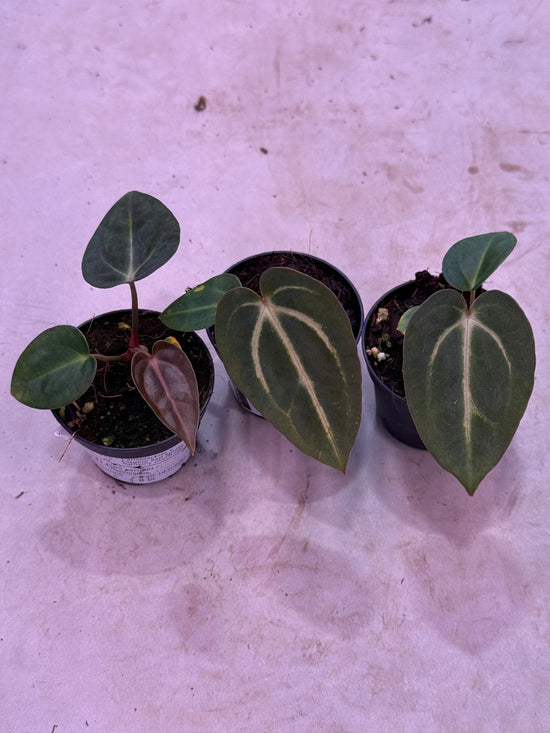 Vendor:Harmony PlantsAnthurium Carlablackiae RA8 x Red Spider
- Regular price
-
€59,00 - Regular price
-
€79,00 - Sale price
-
€59,00
-
Anthurium Michelle x Carlablackiae
 Vendor:Harmony PlantsAnthurium Michelle x Carlablackiae
- Regular price
-
€29,99 - Regular price
-
€39,00 - Sale price
-
€29,99
-
Anthurium Hot Chocolate x Dressleri
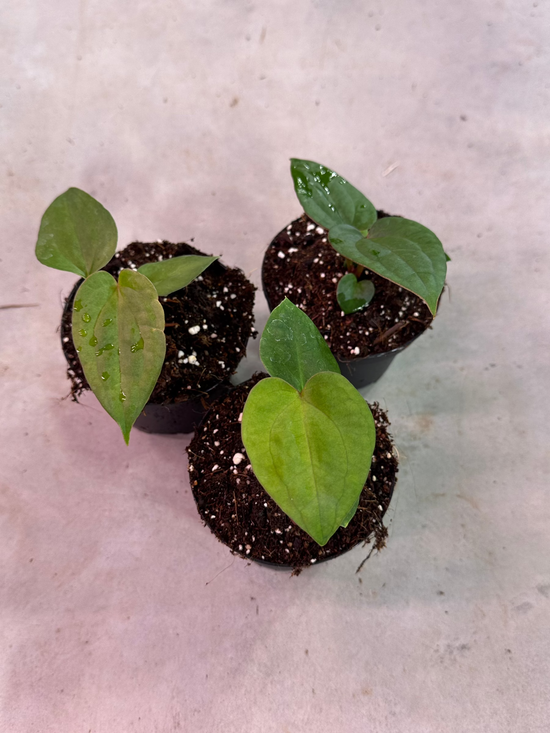 Vendor:Harmony PlantsAnthurium Hot Chocolate x Dressleri
- Regular price
-
€29,00 - Regular price
-
€49,00 - Sale price
-
€29,00
-
Anthurium Carlablackiae M
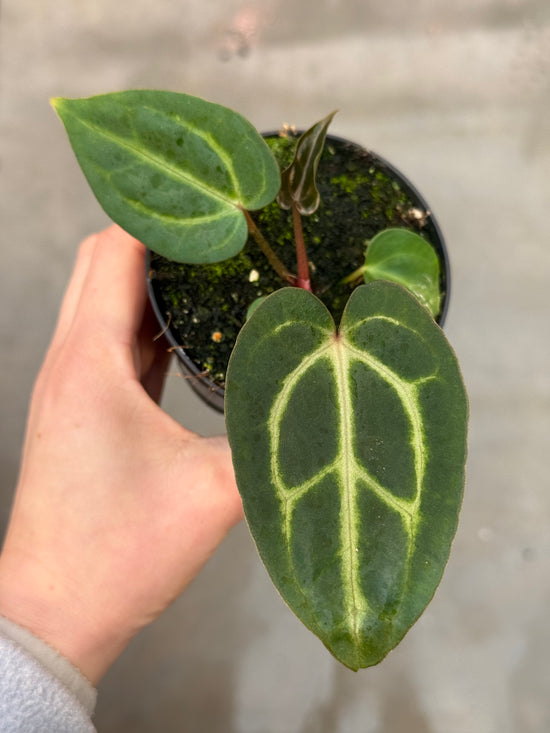 Vendor:Harmony PlantsAnthurium Carlablackiae M
- Regular price
-
€39,00 - Regular price
-
€89,00 - Sale price
-
€39,00
-
Anthurium Pallidiflorum S
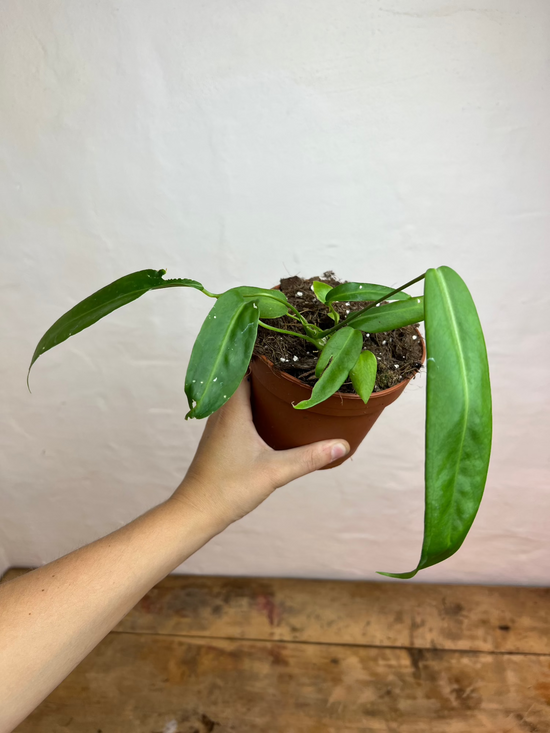 Vendor:Harmony PlantsAnthurium Pallidiflorum S
- Regular price
-
€49,00 - Regular price
-
- Sale price
-
€49,00
-
Anthurium Warocqueanum L
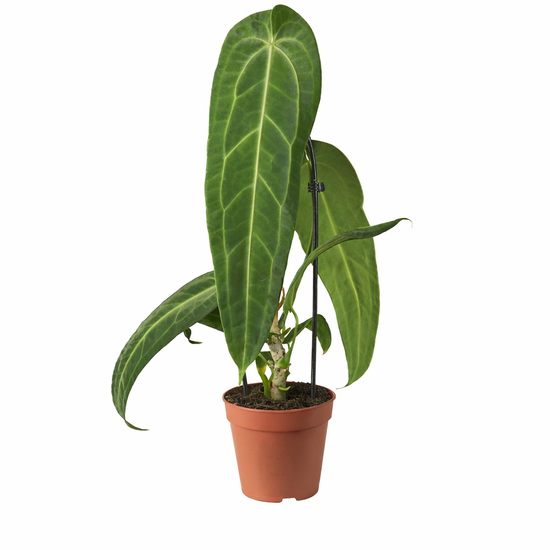 AftersaleVendor:Harmony PlantsAnthurium Warocqueanum L
- Regular price
-
€20,00 - Regular price
-
€49,00 - Sale price
-
€20,00
-
Anthurium Michelle® (DocBlock)
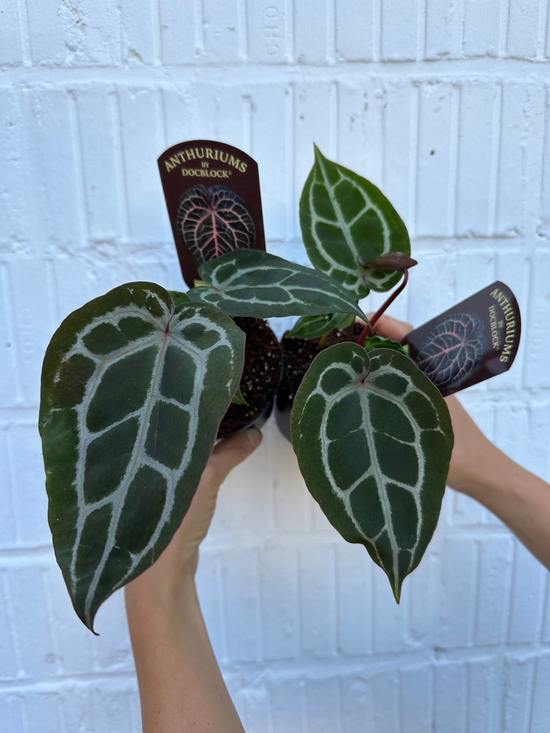 Vendor:Harmony PlantsAnthurium Michelle® (DocBlock)
- Regular price
-
€89,00 - Regular price
-
- Sale price
-
€89,00
-
B Ware Plants / sad plants Part 4
Vendor:Harmony PlantsB Ware Plants / sad plants Part 4
- Regular price
-
€10,00 €59,00 - Regular price
-
- Sale price
-
€10,00 €59,00
-
Anthurium Renaissance Variegated
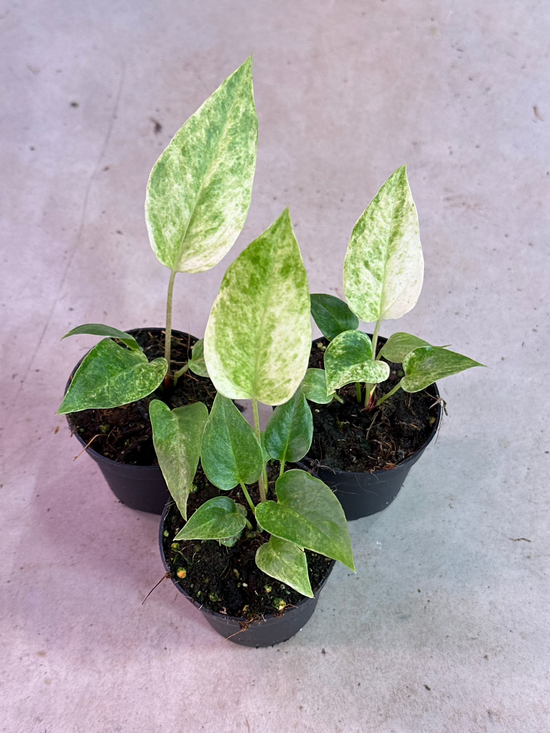 Vendor:Harmony PlantsAnthurium Renaissance Variegated
- Regular price
-
€29,00 - Regular price
-
- Sale price
-
€29,00


Anthurium variety
Anthuriums, also known as flamingo flowers or house lilies, enchant with their unique, heart-shaped flowers and shiny leaves. These versatile beauties are the ideal addition to any living space, adding tropical flair and fascinating plant lovers of all levels. Thanks to their long-lasting flowers and robust leaves, anthuriums not only add aesthetic but also easy-care accents to any home. Discover the magical world of anthuriums at Harmony Plants - where green passion meets blooming elegance!
Anthurium, also known as flamingo flower or flower friend, is a fascinating houseplant that stands out for its showy flowers and shiny, heart-shaped leaves distinguishes. Originally native to the tropical rainforests of South America, it has become a popular ornamental plant in many parts of the world.
The striking flowers of Anthurium are usually bright red, but there are also varieties in other colors such as pink , white or even green. These showy flowers are actually special bracts that surround the actual flower of the plant. Anthurium blooms almost all year round and adds an exotic touch to any room.
Anthurium care requires moderate light, regular watering and high humidity to create optimal conditions. This plant can be used in pots or as a cut flower in vases and is an ideal choice for indoor landscaping. Anthurium not only brings beauty, but also a touch of tropical flair to your home or office.
Flowering Anthuriums
Many anthuriums are characterized by their distinctive, striking spathes, which are often bright red and sit on long stalks. This unique appearance has also earned them the name "flamingo flower." Among the best-known species are:
- Anthurium Andreanum (large flamingo flower)
- Anthurium Scherzerianum (small flamingo flower)
Foliage Anthuriums
In addition to the classic flamingo flowers, there are also many Anthurium species that also bloom, but where the leaves are the main focus. The flowers are usually small and inconspicuous, often greenish or whitish, and significantly less striking than those of typical flamingo flowers. Popular anthuriums with particularly decorative leaves include:
- Anthurium Crystallinum: glossy leaves with silvery veins
- Anthurium Clarinervium: heart-shaped leaves with white veins
- Anthurium Veitchii: long, narrow leaves with a waxy appearance
Anthurium hybrid
In our shop, you'll also find exciting Anthurium hybrids. Various Anthurium varieties are crossbred to achieve particularly unusual leaf patterns, colors, or growth forms. This creates unique plants that are often more robust or offer special visual highlights. For example:
- Delta Force: Hybrid of Anthurium Clarinervium and Pedatoradiatum
- Anthurium KOS x Red Crystallinum
- Anthurium Hot Chocolate x Dressleri
The leaves and flowers of anthuriums
Anthuriums are real eye-catchers and are among the most popular houseplants. Typical for them are their mostly heart-shaped leaves, which can be smaller, larger or more elongated depending on the species. They are often shiny, have distinctive leaf veins and are relatively robust, which makes them not only decorative but also easy to care for.
The leaf colors can vary depending on the species and variety – from rich dark green to delicate shades of green to slightly reddish shimmering leaves. Some species also show strikingly patterned leaf veins that stand out in contrast to the background and give the anthurium a particularly decorative appearance. There are also various variegated forms with striking leaf patterns.
In addition to their special leaves, many anthuriums also impress with beautiful flowers or so-called spathes. The distinctive flower calyxes can have different colors. Many flamingo flowers bloom bright red, but there are also varieties in other colors such as pink, white or even green. These striking flowers are actually special spathes that surround the actual flower of the plant. Anthuriums bloom almost all year round and lend an exotic touch to any room.
Maintain the Beauty of Anthurium
Caring for anthuriums requires moderate light, regular watering, and high humidity to create optimal conditions. This plant can be grown in pots or as a cut flower in vases and is an ideal choice for indoor landscaping. Your anthurium will not only bring beauty but also a touch of tropical flair to your home or office.
- Watering : Anthuriums should be watered about once or twice a week in spring and summer; in fall and winter, an interval of seven to ten days is usually sufficient, depending on temperature and humidity. When watering, the soil should be kept slightly moist, but waterlogging should be avoided. It is important to water the plant only when the top layer of soil is dry.
-
Temperature : The Anthurium prefers bright, indirect light and does not tolerate direct sunlight. Room temperature should be between 18°C and 22°C, and it is important to avoid sudden temperature fluctuations.
- Humidity : Due to its origin in tropical regions, the Anthurium likes high humidity, so regular misting or the use of a humidifier is advisable.
- Pruning : Dead or yellow leaves should be removed regularly to promote the health of your Anthurium.
- Fertilization : During the growing season in spring and summer, fertilize with a water-soluble fertilizer every 4 to 6 weeks. In fall and winter, fertilization can be reduced or stopped.
- Repotting : The anthurium should be repotted into a slightly larger pot every 2 to 3 years when it outgrows its current container. Use well-draining potting soil.
Anthuriums are houseplants that require special care to thrive. By following these care guidelines, your Anthurium can stay healthy and beautiful for a long time. Here you'll find even more care tips to get the most out of your Anthurium.
Common problems with anthuriums
Although anthuriums are considered relatively easy to care for, problems can still arise under unfavorable conditions.
- Root rot : A common problem with anthuriums is root rot, which usually occurs due to overwatering or waterlogging. The roots begin to rot, which manifests itself in yellow, limp leaves and an unpleasant odor from the pot. If your anthurium has root rot, you need to act quickly – find out what you can do here .
- Brown discoloration : Anthuriums originate from tropical regions and are sensitive to dry, heated air. Dry, brown leaf tips or even completely brown leaves often occur when humidity is too low, but can also be caused by drafts or overfertilization.
- Failure to bloom : Some anthuriums fail to bloom or stop blooming if they are kept in too dark a location or do not receive sufficient nutrients. A bright location with indirect light and a regular application of suitable fertilizer for flowering plants will support flower production. Under favorable conditions, anthuriums can produce new blooms almost year-round.
- Pests : Especially in dry indoor air, pests such as spider mites , mealybugs, or thrips can settle on the plant. The first signs are fine webs, sticky leaves, or white, cotton-like residue at the base of the leaves. Regular inspections of your anthurium and prompt treatment at the first signs are crucial to stopping an infestation early.
Buy Anthurium: Large selection in our online shop
Whether it's a timeless classic or a rare find – in our online shop, you'll discover a wide variety of Anthurium species. From popular varieties with vibrant spathes to extraordinary foliage anthuriums with striking venation, there's something for everyone. If you're looking to buy a flamingo flower, you're guaranteed to find the perfect beauty for your plant collection with us. Simply order your Anthurium online and have it delivered safely and conveniently to your home.
Anthurium FAQ
What types of Anthurium are there?
There are several species of Anthurium, including the common Anthurium Andraeanum and Anthurium Scherzerianum. Anthurium Crystallinum features shiny leaves with silvery veins, while Anthurium Clarinervium has heart-shaped leaves with white veins. Anthurium Veitchii has long, narrow leaves with a waxy appearance. These species offer a wide range of leaf shapes and colors for plant lovers. Care requirements may vary depending on the species.
How do I properly care for my Anthurium?
The anthurium, also known as the flamingo flower or flower friend, is a houseplant that requires special care to thrive. It prefers bright, indirect light and does not tolerate direct sunlight. The room temperature should be between 18°C and 22°C and it is important to avoid sudden temperature changes. Due to its origins in tropical regions, the anthurium likes high humidity, so regular misting or the use of a humidifier is advisable.
Dead or yellow leaves should be removed regularly to promote the health of the plant. Also note that anthuriums are poisonous, both to humans and pets, so they should be kept out of the reach of children and pets. By following these care guidelines, your anthurium can stay healthy and beautiful for a long time.
How often do I need to water my Anthurium?
When watering, the soil should be kept slightly moist, but waterlogging should be avoided. It is important not to water the plant until the top layer of soil is dry.
What do I have to consider when repotting and fertilizing?
During the growing season in spring and summer, fertilize with a water-soluble fertilizer every 4-6 weeks. Fertilization can be reduced or suspended during fall and winter.
The anthurium should be repotted into a slightly larger pot every 2-3 years if it becomes too large for its current container. Use a well-drained potting mix.