


- Remove the top layer of soil: Scrape off about 1–2 cm of the affected soil with a spoon or small tool and dispose of it in organic waste to prevent spores from spreading in your home.
- Loosen the remaining soil: Carefully loosen the remaining soil to improve aeration and allow moisture to evaporate faster.
- Treat with household remedies: Treat the surface with one of the household remedies from the next section.
- Refill with fresh substrate: Replace the removed layer with fresh potting soil, preferably low in humus.
- Adjust watering habits: In the future, water from below (via the saucer) or wait until the top layer of soil has noticeably dried before watering again.
- Clean pot and saucer: Wipe the pot and saucer with a diluted vinegar solution to remove any remaining spores.
When is repotting still necessary?
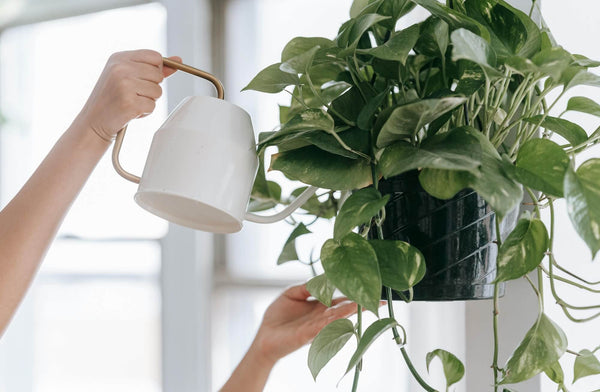
The best household remedies for mold on potting soil
| Household remedy | Application | Mode of action |
|---|---|---|
| Cinnamon | Sprinkle thinly on the soil surface | Naturally antifungal |
| Chamomile tea | Spray cooled, unsweetened tea | Antibacterial & antifungal properties |
| Diluted hydrogen peroxide solution | Mix 1 part 3% H₂O₂ with 4 parts water, spray | Directly kills mold spores |
| Baking soda solution | Dissolve some baking soda in water, spray | Changes pH value, inhibits mold growth |
| Dried coffee grounds | Sprinkle thinly on the soil | Removes moisture, slightly antifungal (see below) |
Coffee grounds against mold: Does it really help?
Preventing mold
The most effective way to prevent mold is to only water when the top layer of soil has dried, ensure good ventilation at the location, and use high-quality, well-draining substrate.


